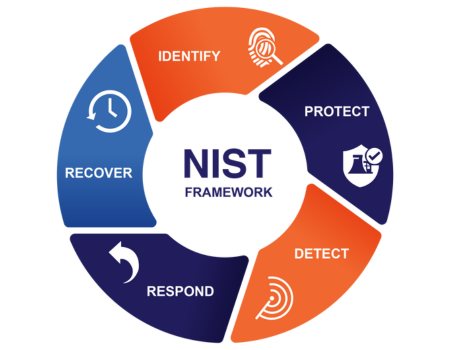
What follows are not technical questions. They are leadership questions, the same ones asked immediately after a cyber incident, regulatory failure, or prolonged outage.
What if a security incident occurs tonight, how would we know, and who is accountable for decisions?
Detection speed, escalation clarity, and ownership determine impact. If incident response relies on assumptions or informal knowledge, the business is exposed.
What if critical data is encrypted, corrupted, or deleted, what can we restore, how quickly, and with what business impact?
Backups are only valuable if they are isolated from attack, regularly tested, and aligned to real recovery objectives, not theoretical ones.
What if key people or systems are unavailable, can the business still operate and recover without delay?
True resilience includes documentation, access governance, and plans that do not depend on individual knowledge or availability.
If these questions made you pause, that is the signal.
Most organisations assume these answers exist somewhere until an incident proves otherwise. Cyber risk is rarely caused by a lack of technology, but by unclear ownership, untested recovery, and decisions that have not been stress-tested under pressure.
Speak to us confidentially at secure@bmg.bm